
"non-washed coffee"
500 article(s) found

The difference between Coffee Bean washing and semi-washing
The washing refining of coffee began in the mid-18th century. In the refining process, the pulp of the coffee fruit is first removed, then the residual mucous membrane on the inner pericarp is removed by a fermentation tank, and the beans are washed and dried. The difference between non-washing refining and water-washing refining is that the non-washing refining method is dried and then the pulp is removed, while the washing method is to remove the pulp and then dry! Washing type refining

The size and specification of coffee beans
A, coffee can be divided into washing type and non-washing type according to specifications, and can also be divided into flat beans and round beans. Washing type: in the sink, after rubbing with water and utensils, the pulp and colloid are removed and dried, which is called washing coffee bean with uniform quality. Non-washing type: after the sun is naturally dried, the pulp and peel is removed by a sheller, and its quality is unstable. The fruit of coffee is made up of two oval shapes

Coffee beans-Overview and handling of boutique coffee
Coffee beans-specification coffee beans washable coffee beans A. Washing type / non-washing type: in the sink, after rubbing with water and utensils, the pulp and gum are removed and dried, which is called washed coffee beans with uniform quality. Non-washing type: after the sun is naturally dried, the pulp and peel is removed by a sheller, and its quality is unstable. b. The fruit of flat bean / round bean coffee is made up of two oval
Size, specification and grade of coffee beans
A, coffee can be divided into washing type and non-washing type according to specifications, and can also be divided into flat beans and round beans. Washing type: in the sink, after rubbing with water and utensils, the pulp and colloid are removed and dried, which is called washing coffee bean with uniform quality. Non-washing type: after the sun is naturally dried, the pulp and peel is removed by a sheller, and its quality is unstable. The fruit of coffee is made up of two oval shapes
The treatment of coffee beans explain in detail what is coffee washing method
There are three ways to treat coffee beans: drying, washing, and semi-washing coffee began in the mid-18th century. In the washing process, the pulp of the coffee fruit (red cherry) is first removed, then the residual mucous membrane on the inner pericarp is removed by a fermentation tank, and the beans are washed and dried. The difference between the non-washing method and the water washing method is that the non-washing method removes the fruit after drying.
Basic knowledge of coffee size specifications and grades of coffee beans
A, coffee can be divided into washing type and non-washing type according to specifications, and can also be divided into flat beans and round beans. Washing type: in the sink, after rubbing with water and utensils, the pulp and colloid are removed and dried, which is called washing coffee bean with uniform quality. Non-washing type: after the sun is naturally dried, the pulp and peel is removed by a sheller, and its quality is unstable. The fruit of coffee is made up of two oval shapes
Fine Coffee learn how to process Coffee Cherry
Coffee beans are the seeds in the coffee fruit. The coffee fruit is exposed to strong sunlight and the seeds are not taken out until the shell is broken. This method is called non-washing or natural drying. Another way is to put the coffee fruit in the sink to flash, soak in water to soften and then remove the flesh. The washing type refining process is that the harvested coffee fruit is put into the sink and soaked in 24 murmurs for 48 hours.

Technology of Fine Coffee treatment of Coffee beans
Coffee beans are the seeds in the coffee fruit. The coffee fruit is exposed to strong sunlight and the seeds are not taken out until the shell is broken. This method is called non-washing or natural drying. Another way is to put the coffee fruit in the sink to flash, soak in water to soften and then remove the flesh. The washing type refining process is that the harvested coffee fruit is put into the sink and soaked in 24 murmurs for 48 hours.

Fine coffee beans, common sense, size, specification and grade of coffee beans
A, coffee can be divided into washing type and non-washing type according to specifications, and can also be divided into flat beans and round beans. Washing type: in the sink, after rubbing with water and utensils, the pulp and colloid are removed and dried, which is called washing coffee bean with uniform quality. Non-washing type: after the sun is naturally dried, the pulp and peel is removed by a sheller, and its quality is unstable. The fruit of coffee is made up of two oval shapes
A brief introduction of Fine Coffee what is coffee essence
Coffee beans are the seeds in the coffee fruit. The coffee fruit is exposed to strong sunlight and the seeds are not taken out until the shell is broken. This method is called non-washing or natural drying. Another way is to put the coffee fruit in the sink to flash, soak in water to soften and then remove the flesh. The washing type refining process is that the harvested coffee fruit is put into the sink and soaked in 24 murmurs for 48 hours.

The size, specification and grade of coffee beans. Fine coffee.
A, coffee can be divided into washing type and non-washing type according to specifications, and can also be divided into flat beans and round beans. Washing type: in the sink, after rubbing with water and utensils, the pulp and colloid are removed and dried, which is called washing coffee bean with uniform quality. Non-washing type: after the sun is naturally dried, the pulp and peel is removed by a sheller, and its quality is unstable. The fruit of coffee is made up of two oval shapes
Fine coffee to learn the size and specification of coffee beans
A, coffee can be divided into washing type and non-washing type according to specifications, and can also be divided into flat beans and round beans. Washing type: in the sink, after rubbing with water and utensils, the pulp and colloid are removed and dried, which is called washing coffee bean with uniform quality. Non-washing type: after the sun is naturally dried, the pulp and peel is removed by a sheller, and its quality is unstable. The fruit of coffee is made up of two oval shapes

Fine coffee, common sense, size and specification of coffee beans.
A, coffee can be divided into washing type and non-washing type according to specifications, and can also be divided into flat beans and round beans. Washing type: in the sink, after rubbing with water and utensils, the pulp and colloid are removed and dried, which is called washing coffee bean with uniform quality. Non-washing type: after the sun is naturally dried, the pulp and peel is removed by a sheller, and its quality is unstable. The fruit of coffee is made up of two oval shapes

Coffee common sense size specification and grade of coffee beans
A, coffee can be divided into washing type and non-washing type according to specifications, and can also be divided into flat beans and round beans. Washing type: in the sink, after rubbing with water and utensils, the pulp and colloid are removed and dried, which is called washing coffee bean with uniform quality. Non-washing type: after the sun is naturally dried, the pulp and peel is removed by a sheller, and its quality is unstable. The fruit of coffee is made up of two oval shapes

Basic knowledge of fancy coffee how to make coffee essence
Coffee beans are the seeds in the coffee fruit. The coffee fruit is exposed to strong sunlight and the seeds are not taken out until the shell is broken. This method is called non-washing or natural drying. Another way is to put the coffee fruit in the sink to flash, soak in water to soften and then remove the flesh. The washing type refining process is that the harvested coffee fruit is put into the sink and soaked in 24 murmurs for 48 hours.
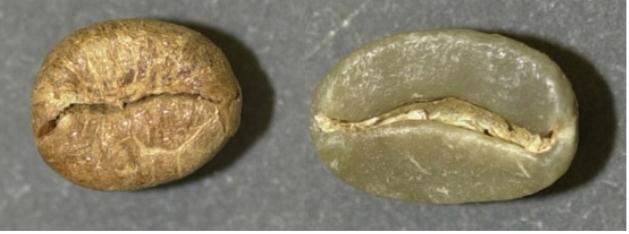
Identification of coffee beans: differences in size, specification, altitude, quality and taste of coffee beans
A, coffee can be divided into washing type and non-washing type according to specifications, and can also be divided into flat beans and round beans. Washing type: in the sink, after rubbing with water and utensils, the pulp and colloid are removed and dried, which is called washing coffee bean with uniform quality. Non-washing type: after the sun is naturally dried, the pulp and peel is removed by a sheller, and its quality is unstable. The fruit of coffee is made up of two oval shapes

Coffee bean treatment method water washing and sun treatment of high-quality coffee beans
Coffee beans are the seeds in the coffee fruit. The coffee fruit is exposed to strong sunlight and the seeds are not taken out until the shell is broken. This method is called non-washing or natural drying. Another way is to put the coffee fruit in the sink to flash, soak in water to soften and then remove the flesh. The washing type refining process is that the harvested coffee fruit is put into the sink and soaked in 24 murmurs for 48 hours.

Description of taste, price and flavor of Starbucks Uganda coffee beans introduction to grinding scale manor
Starbucks Uganda coffee beans taste price flavor description grinding scale manor introduction A. Washing type / non-washing type: in the sink, after rubbing with water and utensils, the pulp and gum are removed and dried, which is called washed coffee beans with uniform quality. Non-washing type: after the sun is naturally dried, the pulp and peel is removed by a sheller, and its quality is unstable. b. Flat bean / round bean coffee

How to judge the classification, quality and taste of coffee beans
a. Washing type / non-washing type: in the sink, after rubbing with water and utensils, the pulp and gum are removed and dried, which is called washed coffee beans with uniform quality. Non-washing type: after the sun is naturally dried, the pulp and peel is removed by a sheller, and its quality is unstable. b. The fruit of flat bean / round bean coffee is made up of two oval seeds opposite each other. The connected side

Introduction to the treatment of raw coffee beans-washing method
Coffee washing began in the mid-18th century. In the washing process, the pulp of the coffee fruit (red cherry) is first removed, then the residual mucous membrane on the inner pericarp is removed by a fermentation tank, and the beans are washed and dried. The difference between the non-washing method and the water washing method is that the non-washing method is to remove the pulp after drying, while the washing method is to remove the pulp before drying. Washing can pass every step.